Open 24/7, Monday to Sunday | Serving Summit since 2016(708) 706-8632
Barrett Dumpster RentalDumpster Rental Summit, IL
Dumpster Rental Summit, IL

Local debris service

Dumpster Rental Summit, IL

Barrett Dumpster Rental confirms container placement before delivery, with photo records for placement and pickup coordination.

Dumpster Rental Summit, IL is how Barrett Dumpster Rental helps homeowners, contractors, landlords, and businesses control debris without guessing which container fits. We review the material, access, surface, and loading plan before scheduling delivery. Service is available 24/7, Monday to Sunday, across Summit and nearby Cook County communities.

  • Licensed, bonded and insured
  • Serving since 2016
  • 4356+ containers delivered
  • Open 24/7, Monday to Sunday
  • Serving Cook County

Dumpster options

Dumpster Rental Summit, IL for real cleanup work

Barrett Dumpster Rental handles short projects and recurring commercial needs with containers selected around the debris, property, and access route. These common job types help clarify where a dumpster fits and when another service may be more practical.

  • Home Cleanout Dumpsters

    A home cleanout often includes furniture, bagged household material, shelving, and broken fixtures. We help separate ordinary cleanup debris from items that require different handling, then review driveway clearance and loading room before choosing a container for the property.

    Household cleanup
  • Garage and Basement Cleanouts

    Garages and basements can hold dense, awkward material that fills a container faster than expected. Sort reusable items first, keep access to doors and utilities clear, and tell us about stairs, narrow gates, low beams, or damp ground around the loading route.

    Dense household debris
  • Moving and Estate Cleanouts

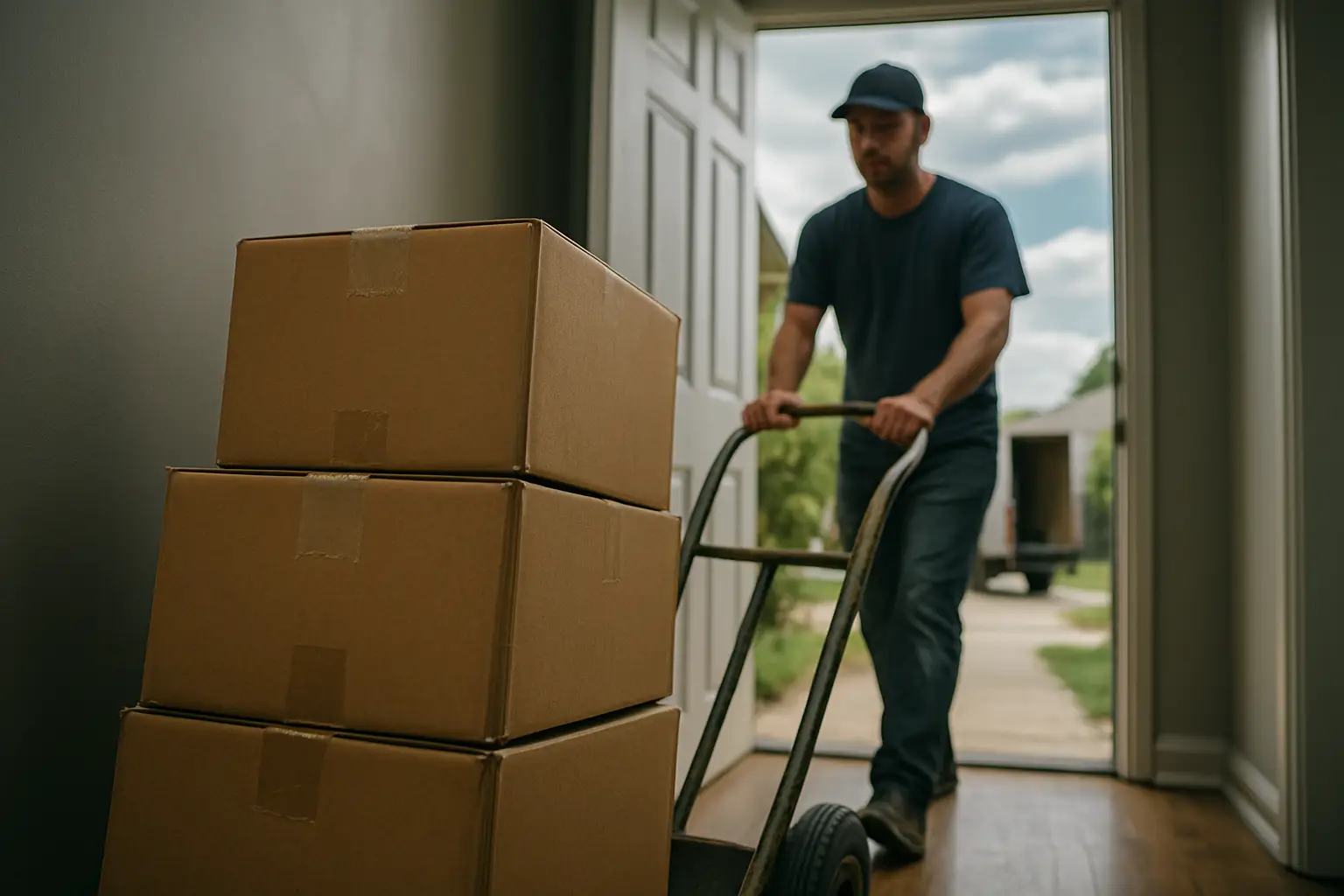
    Moving and estate work tends to arrive in waves, from furniture and boxes to damaged appliances and accumulated storage. A container keeps the removal area organized, but the size should reflect bulky pieces, loading pace, and whether vehicles still need the driveway.

    Move-out projects
  • Roofing Debris Dumpsters

    Roof tear-offs produce heavy shingles and underlayment, so volume alone does not determine the best container. Keep the loading point near the roof access without blocking equipment, and describe the roofing material so weight and placement are considered together.

    Roofing material
  • Remodeling and Renovation Dumpsters

    Bathroom, kitchen, and room renovations create mixed debris such as cabinets, drywall, flooring, tile, and lumber. Separate anything that cannot be placed with ordinary construction debris, protect the drive approach, and avoid loading above the container rim.

    Remodeling debris
  • Yard Waste Dumpsters

    Yard cleanup can involve branches, brush, sod, soil, and old landscape material, each affecting space and weight differently. Describe the actual mix before delivery. Wet soil and saturated organic material can make a seemingly small load unusually heavy.

    Outdoor cleanup
  • Same-Day Dumpster Rental

    Some cleanup decisions happen after a closing, storm, tenant move-out, or sudden construction change. Same-day scheduling depends on container availability, access, material, and a safe placement plan, so have the site details ready before asking for a rushed delivery.

    Urgent cleanup needs
  • Commercial Construction Dumpsters

    Commercial work needs a container plan that accounts for crews, access lanes, staging areas, and the pace of debris production. We discuss material separation, pickup coordination, and recurring needs so the container does not interfere with deliveries or active work.

    Jobsite debris
  • Recurring Commercial Dumpster Service

    Retail, property management, industrial, and construction operations may need scheduled container service rather than a one-time placement. We review expected material, collection access, enclosure or dock conditions, and changes in volume so the arrangement remains workable as the site operates.

    Ongoing service

Local operating knowledge

Summit projects need a practical loading plan

Barrett Dumpster Rental has served the area since 2016, handling the ordinary messes that come with older homes, rental turnovers, remodeling, roofing, and commercial work around Summit. The job starts with questions that affect the outcome: what material is being removed, how high it will be loaded, where the container can sit, and whether the truck can reach that location without crossing weak ground or striking an obstruction. Licensed, bonded and insured, our crew works around active streets, narrow drive approaches, alleys, and compact lots rather than assuming every property has open space.

Summit sits beside busy industrial and transportation corridors, with established residential blocks, modest driveways, and properties where a container may need to share space with vehicles or pedestrians. Weather also changes the plan. Wet spring ground can soften a parkway, while freeze and thaw can expose broken pavement and make a heavy load harder to place safely. We confirm the intended position before delivery and pickup, then match the container to the debris instead of selling the largest option by default. That saves room, protects access, and keeps loading more controlled.
Why local details matter

Barrett Dumpster Rental works from the site outward

  1. Placement is checked before the truck arrives

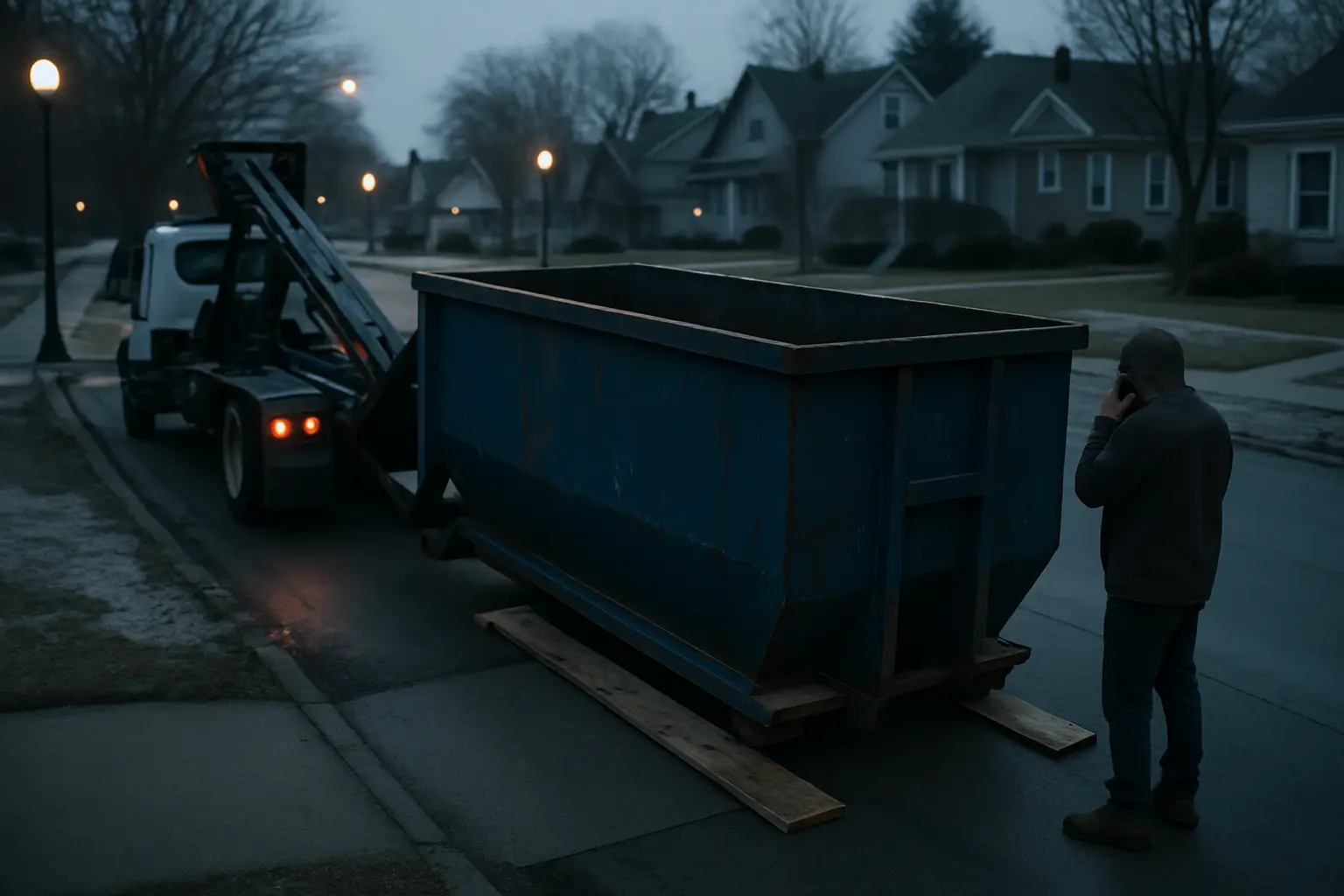
    A container that fits the debris can still be wrong for the property. We look at the intended surface, approach, clearance, and pickup path before delivery. Placement checks are photo-confirmed, giving the operation a record of where the container was meant to sit and helping prevent avoidable surprises around driveways, parkways, gates, and active work areas.

  2. Material changes the recommendation

    Drywall, cabinets, cardboard, shingles, soil, concrete, and brush do not behave alike in a container. Dense material reaches a practical weight limit sooner, while bulky light debris uses space quickly. We ask what is actually being removed, then explain when a smaller option fits and when a larger container would only create unnecessary access or loading problems.

  3. The service is built around working properties

    Summit includes older residential blocks, compact driveways, industrial edges, and streets where parking and traffic affect delivery. The crew plans for those conditions instead of relying on a generic drop-off assumption. Barrett Dumpster Rental is available 24/7, Monday to Sunday, so scheduling can account for the project rather than forcing every job into a narrow office window.

How scheduling works

A clear plan prevents delivery problems

  1. Describe the project

    Start with the address, project type, material, and expected loading pace. Mention roofing, concrete, soil, appliances, or other dense items because the same container volume can carry very different weight depending on what enters it.

  2. Review the placement

    We discuss where the container should sit and what the truck must cross or clear. Driveway width, overhead branches, gates, slopes, parked vehicles, pavement condition, and access from Summit streets all matter before the route is confirmed.

  3. Match size to material

    A smaller container can be the better choice for light debris and a tight driveway, while a larger one may suit bulky renovation material. We compare usable volume with weight and loading height instead of treating size as the only decision.

  4. Prepare the site

    Move cars and loose items, unlock gates, trim or identify low branches, and keep the intended placement open. If the container must sit on a public street, town permission may apply, so explain the location before scheduling.

  5. Load within the plan

    Keep debris below the rim, distribute heavy material rather than piling it at one end, and leave doors, drains, and utility access unobstructed. If the project changes, review the new material before adding it to the container.

Other cleanup options

Some Summit jobs need a different solution

Placement planning

Where a container can sit safely in Summit

In Summit, a driveway is usually the first placement choice because it keeps the container off the travel lane and gives the truck a predictable approach. That does not make every driveway suitable. Older pavement, narrow aprons, steep transitions, parked cars, low branches, overhead wires, gates, and nearby retaining edges can change the plan. A public street, parkway, or alley may involve local permission or restrictions, so explain the proposed location before scheduling. The truck needs a reasonably straight approach, enough width to align, clearance above the container, and room to pull away after pickup. Cars should be moved, gates unlocked, and loose items removed from the route. Wet ground deserves special attention because spring rain can soften unpaved shoulders and grassy areas.

Summit’s established neighborhoods often have compact lots where the best location is also used for daily parking. Do not reserve a space with cones and assume the truck can work around a vehicle. Tell us about curbside parking, alley access, driveway slope, and any surface recently repaired or patched. The intended placement should avoid blocking hydrants, utility covers, drainage paths, garage doors, and doors needed during the project. If the container must sit near a sidewalk or public roadway, town permission may apply, and the requirements can depend on the exact street. A photo-confirmed placement review helps compare the proposed spot with the truck’s approach and pickup path before delivery. Have the address, placement surface, access width, overhead clearance, and nearby obstacles ready when you speak with the crew.

Material and sizing

Summit homes change the size and weight decision

Summit’s housing includes older working-class homes, established blocks, multifamily properties, and newer renovations layered onto existing structures. That mix affects what comes out during a project. A bathroom update may produce tile, plaster, fixtures, and cabinets from a compact room. A kitchen renovation can add dense countertops, flooring, and boxed cabinets. Garage and basement cleanouts often contain bulky furniture, shelving, masonry fragments, and decades of stored material. A container that looks large enough by volume may become difficult to load when dense debris is involved. Tell us whether the material is mostly light and bulky, mixed household debris, or concentrated heavy material. The useful choice balances floor space, loading height, driveway room, and practical weight.

Roofing work is another example. Shingles occupy space, but their weight accumulates quickly, especially when tear-off includes multiple layers or damp underlayment. Soil, concrete, brick, and saturated yard waste deserve the same caution. Do not mix a small amount of dense material into a large cleanup without mentioning it. In compact Summit lots, a bigger container can also create a worse working arrangement by reducing driveway clearance or blocking a garage. Sometimes a smaller container with a controlled loading plan is the sensible option. Other times, bulky renovation debris needs the added room. Sort reusable items first, identify appliances or unusual materials, and keep the loading area accessible so the selected size remains workable.

Service standards

What responsible container service includes

  • Every placement begins with a review of material, access, surface, and pickup conditions.
  • Clear access matters because the delivery truck needs room to approach, lower, and retrieve the container.
  • Heavy debris should be disclosed before scheduling so volume is not mistaken for safe capacity.
  • Keep the load below the rim and distribute dense material across the container floor.
  • Public street placement may require town permission, so identify the location before delivery is arranged.
  • Protective measures depend on the surface, weather, and exact placement chosen for the property.
  • Pickup planning includes parked vehicles, gates, branches, utility access, and the truck’s exit path.
  • Licensed, bonded and insured service supports a more accountable plan for residential and commercial work.

Common questions

Answers before you schedule a dumpster

What size dumpster do I need for a home cleanup?

The right size depends on the debris type, amount, loading height, and available placement space. A closet or small bathroom project may fit a 10 Yard container, while a whole-room renovation or larger cleanout may require more room. Summit homes with compact driveways also need an access review. List the rooms, bulky items, and dense materials before scheduling.

Can a dumpster go on my street in Summit?

A container may be placed on a public street only when the location and local requirements allow it. Town permission may be needed, and the answer can depend on the street, parking conditions, and how the container affects traffic or sidewalks. A driveway is often simpler. Share the exact proposed spot, nearby curb conditions, and access route so the placement can be reviewed.

What does the delivery truck need to reach my driveway?

The truck needs a clear approach, sufficient width, overhead clearance, stable surface, and room to lower and retrieve the container. Move parked vehicles, open gates, identify branches or wires, and mention slopes, narrow alleys, patched pavement, or soft ground. Summit’s compact lots can make the exit path as important as the drop location, so describe both before delivery.

Can I put roofing shingles in a dumpster?

Roofing shingles can usually be planned for a dumpster, but the quantity, number of layers, underlayment, and other tear-off material affect the safe choice. Shingles are dense and can reach a practical weight limit before the container looks full. Keep the loading area near the work without blocking equipment, and describe the roof material and project size before scheduling.

Can I mix household debris with remodeling material?

Household debris and ordinary remodeling material may be combined when the materials are acceptable for the planned service, but dense or unusual items should be identified first. Tile, concrete, soil, appliances, chemicals, and certain electronics can change the handling plan. Separate reusable items, keep prohibited material aside, and provide a complete list of what the cleanup will produce.

Is same-day dumpster rental available in Summit?

Same-day service may be possible when a suitable container, truck route, safe placement, and schedule are available. It cannot be promised without checking the material and property because a rushed drop can fail if the driveway is blocked or the truck cannot clear an obstacle. Have the address, project type, container location, and current access conditions ready.

How high can I load a dumpster?

Load debris level with the top edge and keep material contained so it does not fall or interfere with transport. Do not build a mound above the rim, even when the container still appears to have room. Break down bulky items where practical, distribute heavy material across the floor, and ask about anything that cannot be safely contained on a Summit property.

How far ahead should I schedule a dumpster?

Schedule as soon as the project timing and placement are known, especially for roofing, remodeling, estate cleanouts, or commercial work with a fixed start date. Availability depends on container type, truck routing, material, and safe access rather than a universal delivery promise. Confirm the address, desired placement, debris list, and site readiness when arranging service.

Plan the job

Bring the site details to the phone call

Barrett Dumpster Rental can help narrow the container choice by discussing the material, property, access, and timing together. Service is available 24/7, Monday to Sunday. The more accurately you describe the Summit location, the less likely the delivery plan is to change after the truck is assigned.

Phone

(708) 706-8632

The call covers container size, accepted materials, placement, access conditions, scheduling, and pickup coordination.

Availability

24/7
Monday to Sunday, day and night

Have this ready

  • Project address and Summit location
  • Debris types and bulky materials
  • Driveway, street, or alley placement
  • Preferred delivery and pickup timing

Where we work

Summit, plus Bedford Park, Forest View, McCook, Bridgeview, Justice, Hodgkins, Countryside, Lyons, Stickney and Brookfield.

See the full service area list

Get the container plan right before cleanup starts

Tell Barrett Dumpster Rental what you are removing, where the container can sit, and what the truck must clear. We will discuss the practical size and placement for your Summit project, including conditions that can make a cheaper option the better fit.

Click Here to Call(708) 706-8632

Nearby service area

Dumpster service across Summit and nearby communities

Barrett Dumpster Rental serves Summit from its Cook County base and works with nearby residential, commercial, and construction properties. Coverage includes Bedford Park, Forest View, McCook, Bridgeview, Justice, Hodgkins, Countryside, Lyons, Stickney, and Brookfield. Tell the crew the exact municipality and placement conditions because street access, parking, and surface type can change the delivery plan.

Summit residential blocksSummit industrial corridorArgo neighborhoodSouth Summit

Dumpster Rental in nearby towns

Click Here to Call(708) 706-8632